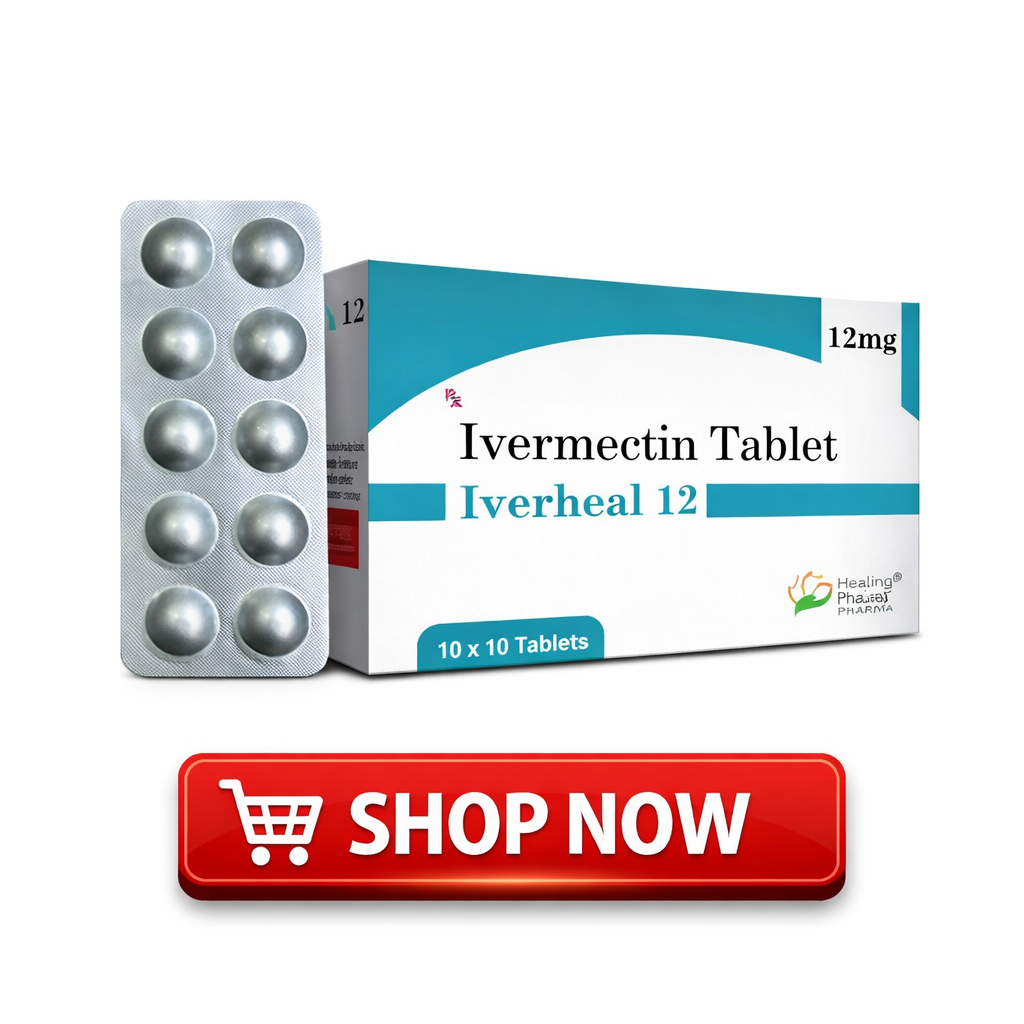
Iverheal 12: Uses, Benefits, Dosage & Safety Guide
Iverheal 12 is a brand-name version of ivermectin 12 mg, a widely used antiparasitic medication. Originally derived from a compound discovered in soil bacteria (Streptomyces avermitilis), ivermectin has become one of the most important drugs in global health—so much so that its discoverers were awarded the 2015 Nobel Prize in Physiology or Medicine.
What Is Iverheal 12 Used For?
Iverheal 12 is primarily prescribed to treat parasitic infections in humans. Its FDA-approved and clinically established uses include:
1. Strongyloidiasis (Intestinal Roundworm Infection)
Caused by Strongyloides stercoralis, this infection affects the intestinal tract. Ivermectin is the treatment of choice because it effectively targets the parasite where other drugs may fail.
2. Onchocerciasis (River Blindness)
A devastating tropical disease caused by Onchocerca volvulus, transmitted through blackfly bites. Ivermectin drastically reduces skin microfilariae (larvae) levels and has been the cornerstone of global elimination campaigns for decades.
3. Scabies
A common off-label use. Ivermectin is highly effective against the Sarcoptes scabiei mite, especially in cases where topical treatments fail or for crusted (severe) scabies.
4. Other Parasitic Infections
Doctors may also prescribe it for:
- Lymphatic filariasis (often in combination therapy)
- Cutaneous larva migrans (hookworm skin infection)
- Head lice (topical formulations)
- Loiasis and other filarial infections
How Does It Work?
Ivermectin belongs to the antiparasitic drug class. It works by:
- Binding to glutamate-gated chloride ion channels in the nerve and muscle cells of parasites
- This causes tonic paralysis and eventually kills the parasite
- It also blocks adult parasites from releasing larvae (microfilariae) for months, preventing disease progression
Dosage Guidelines
Table
| Condition | Typical Dose | Notes |
|---|---|---|
| Strongyloidiasis | 200 mcg/kg single dose | Stool exam follow-up required |
| Onchocerciasis | 150 mcg/kg single dose | Repeat every 3–12 months |
| Scabies | 200 mcg/kg; repeat on Day 7 or 14 | Due to lack of ovicidal action |
For a 70 kg (154 lb) adult:
- A 12 mg tablet is roughly appropriate for a single dose depending on the condition
- Always follow your doctor’s prescription—dosing is weight-based
How to Take It
- On an empty stomach (at least 1 hour before or 2 hours after a meal)
- With a full glass of water
- Usually as a single dose, though repeat doses may be needed
Common Side Effects
Ivermectin is generally well-tolerated, with side effects reported in less than 4% of patients:
Table
| Mild Side Effects | Serious Side Effects (Seek Medical Help) |
|---|---|
| Dizziness | Severe allergic reaction (hives, swelling, breathing difficulty) |
| Nausea / vomiting | Eye pain, redness, or vision changes |
| Diarrhea | Confusion, seizures, trouble walking |
| Fatigue | Severe skin rash or blistering |
| Headache | Neck/back pain, loss of bladder/bowel control |
| Abdominal pain | Fast heartbeat, fainting |
Important Warnings
⚠️ Not for COVID-19: Ivermectin is NOT FDA-approved for treating or preventing COVID-19. Major health authorities including the FDA, CDC, NIH, and WHO advise against its use for this purpose.
⚠️ Never use veterinary products: Animal formulations are highly concentrated and can cause overdose, seizures, coma, or death.
⚠️ Who should avoid it:
- Children under 15 kg (33 lbs)
- Pregnant women (unless clearly necessary)
- People with known allergies to ivermectin
- Those with liver disease or certain immune conditions
Drug Interactions
Ivermectin may interact with:
- Warfarin and other blood thinners (increased bleeding risk)
- Alcohol (can worsen side effects)
- Other antiparasitic drugs like albendazole or levamisole
Always inform your doctor of all medications and supplements you’re taking.
Iverheal 12 is a powerful, Nobel Prize-winning antiparasitic medication with a proven safety record when used correctly for approved indications. It has transformed the treatment of river blindness and strongyloidiasis worldwide and remains invaluable in dermatology for scabies. However, it is not a cure-all—self-medication, especially with veterinary products or for unapproved uses like COVID-19, can be dangerous.
Always consult a licensed healthcare provider before taking ivermectin. Proper diagnosis and weight-based dosing are essential for safe and effective treatment.